Who owns the firmware if I prepay for custom smart switch development?
- VIP-User
- 2026-10-01
- 2
Firmware ownership in custom smart switch development depends entirely on the contractual terms governing intellectual property assignment. Prepaying R&D fees does not automatically grant firmware ownership unless an explicit work-for-hire or IP transfer clause is executed; otherwise, the original manufacturer retains the underlying source code and IP rights while granting you a non-exclusive usage license.
Core Solutions & Key Takeaways
- Contractual IP Assignment: Upfront prepayment for Non-Recurring Engineering (NRE) or R&D covers development expenses but requires a dedicated assignment clause to legally transfer source code and firmware copyright to the buyer.
- Licensing vs. Full Ownership: When contracts lack explicit IP transfer terms, manufacturers retain ownership of base algorithms and grant restricted, royalty-free, or non-exclusive operational licenses for the target hardware.
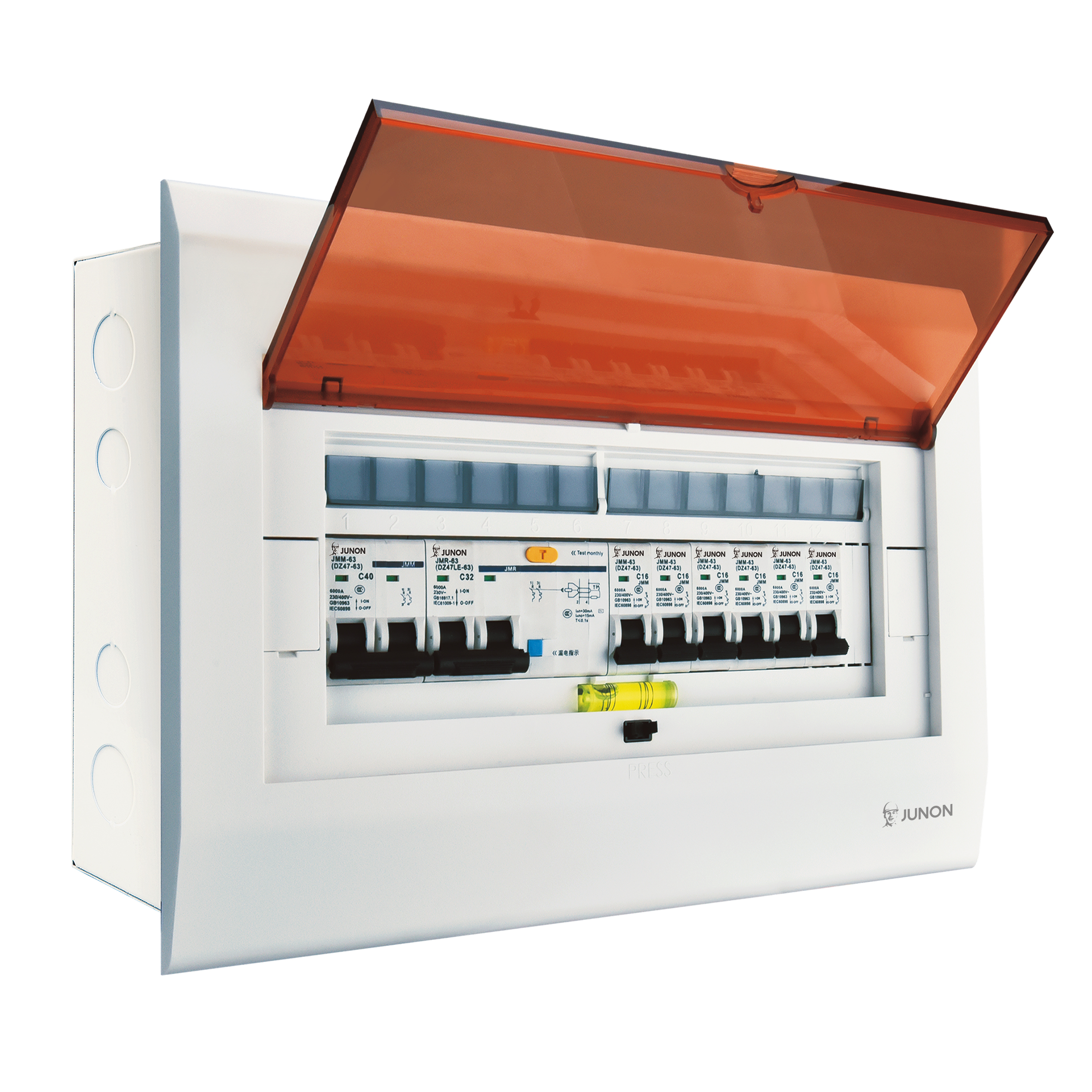
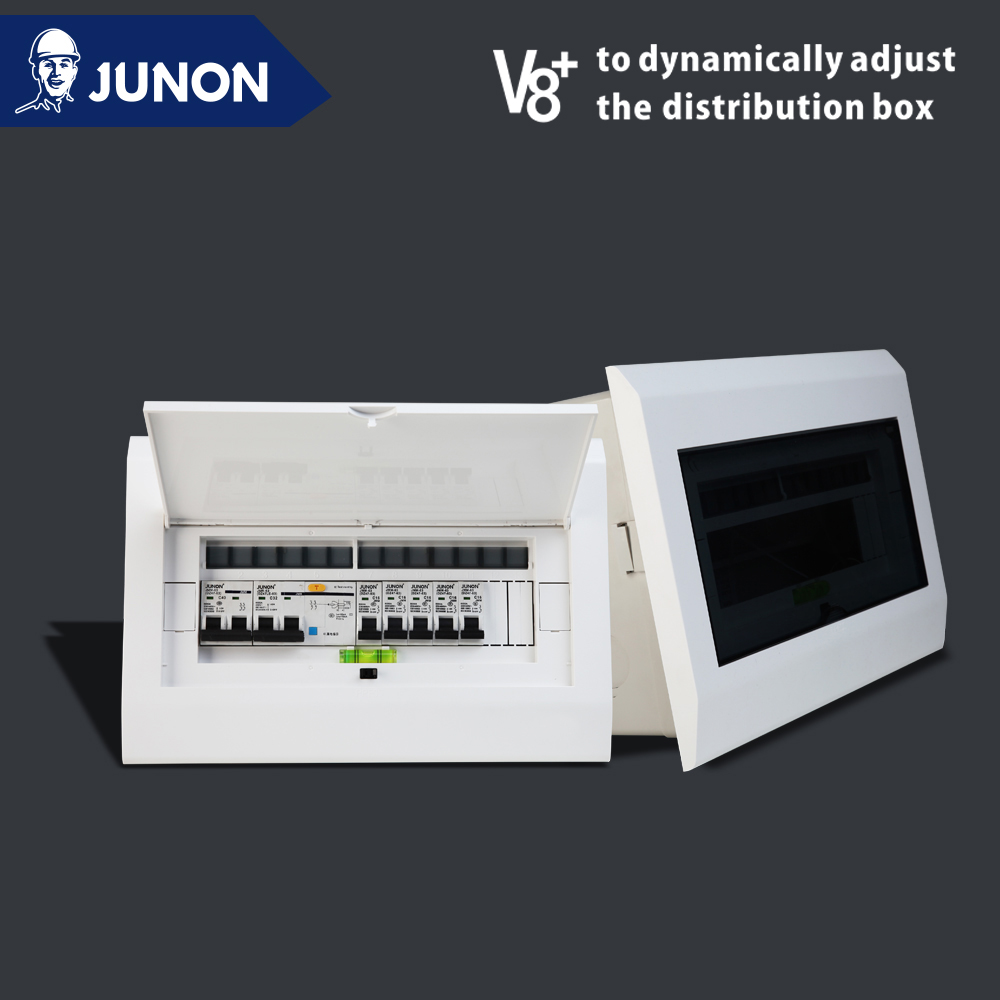
- Hardware and Firmware Integration: Custom smart switches and companion enclosure components—such as V8+ series flush-mounted distribution boxes built with 1.2mm thick iron sheets, PC covers, and pure copper busbars—must be engineered concurrently with firmware protocols to ensure system stability.
- Application Adaptation: Firmware configurations must align with specific operational environments, including residential domestic projects, commercial hospitality builds, and overseas turnkey real estate installations adhering to regional standards.
Detailed Architectural/Principle Analysis
In custom electrical engineering projects, defining firmware boundaries before initiating production prevents legal and operational disputes. Smart switch controllers execute low-level instruction sets that interface directly with internal relay mechanisms and distribution networks. When buyers fund custom developments, manufacturers utilize existing hardware architecture and embedded software frameworks. If the contract defines the service as customized manufacturing under standard OEM or ODM terms, the underlying firmware intellectual property remains with the developer.
Achieving complete firmware ownership mandates a work-for-hire agreement detailing the transfer of raw source code, compiled binaries, development environment configurations, and encryption keys. Electrical manufacturing facilities managing complete industrial chain processes—from initial engineering to final assembly—often differentiate between proprietary core code and client-specific application layers. Certifications such as CE (LVD22-9194), CB (CN42895), and ISO9001 quality management standards demand rigorous verification of both electrical hardware integrity and firmware execution stability.
Large-scale building and hospitality developments require reliable firmware performance paired with standardized hardware. Overseas contractor projects—including installations at the Sheraton Astana Hotel in Kazakhstan (1,200 sets of switch sockets) and Courtyard Tashkent in Uzbekistan (2,000 sets of switch sockets)—demonstrate the necessity of standardized hardware structures and consistent embedded firmware routines to maintain long-term operational safety across commercial properties.
Data/Solution Comparison
The matrix below outlines ownership structures, resource access, and business conditions across common development agreements:
| Ownership Model | Firmware IP Rights | Source Code Access | Standard MOQ | Typical Production Lead Time |
|---|---|---|---|---|
| Full IP Assignment (Work-for-Hire) | Transferred to Buyer | Complete repository provided | 500 pcs per model | 45-60 days |
| Exclusive Licensing Model | Retained by Manufacturer (Exclusive right to buyer) | Binary execution files only | 500 pcs per model | 30-45 days |
| Standard OEM / ODM License | Retained by Manufacturer | No source code access | 20ft container (mixed items) | 30-45 days |
Frequently Asked Questions (FAQ)
Does prepaying R&D fees automatically grant source code access?
No. Prepayment of NRE or engineering fees covers the labor and testing required to modify hardware or firmware features. Source code transfer requires an explicit legal clause defining the work as a custom assignment with full copyright transfer.
How do compliance certifications impact customized firmware and switch hardware?
Modifications to firmware or internal electrical components require re-verification under international standards such as RoHS, CE, and CB. Ensuring compliance prevents field failure and confirms that distribution boxes and smart switches meet strict thermal and electrical safety thresholds.
What quality assurance processes protect custom hardware and firmware deployments?
Manufacturing protocols include incoming raw material inspection, 100% production line testing, and laboratory sampling. This verification guarantees that physical assemblies, pure copper busbars, and programmed microcontrollers operate reliably under intended load conditions.
Final Conclusion & Recommendations
To secure firmware ownership when funding custom smart switch development, structure all engineering contracts with unambiguous work-for-hire clauses specifying the delivery of source code repositories and documentation. For projects leveraging established hardware platforms, establishing a clear licensing framework ensures long-term supply stability while protecting intellectual property rights across international markets. For detailed technical solutions or support, please reach out to us via hayley@junlang.com.
About Us
Guangdong JUNON Songtian Electrical Appliance Co.,Ltd is an established manufacturer in the electrical product sector. Founded in 1983, the company operates a manufacturing footprint covering 148,000 square meters and employs 2,000 personnel. Operating a full industrial chain model across distribution and direct sales, the facility maintains a monthly production capacity of 1 million switch and socket units alongside 100,000 distribution box units. The enterprise holds High-tech Enterprise certification (GR202344015640) and operates under certified ISO9001 quality, ISO14001 environmental, and ISO45001 occupational health management systems to serve clients worldwide.
Lastest
-
Are there any newly developed UV-resistant plastics for IP65 waterproof distribution box?
2026-10-01 -
What is the maximum current load for this EU wall switch and multi socket?
2026-10-01 -
What is the lead time for a sample of this switch with universal socket?
2026-10-01 -
Can you provide a video tour of your factory where this return switch is made?
2026-10-01 -
How much do you charge for a sample of this multi socket with independent on off switch?
2026-10-01
SUBSCRIBE
INQUIRY