How do I assess material traceability at an anti-corrosion plastic box factory?
- VIP-User
- 2026-09-04
- 17
Assess material traceability at an anti-corrosion plastic box factory by matching the declared materials to incoming inspection records, production-line controls, laboratory sampling, and shipment documentation. For the JUNON V10 low voltage distribution box, verify the PC cover, 1.2 mm iron sheet, pure copper busbar, and terminal bars against approved samples and batch records, while confirming that the factory provides evidence for any anti-corrosion claims.
Core Solutions & Key Takeaways
- Request material specifications and batch identification for the PC cover, 1.2 mm iron sheet, pure copper busbar, and terminal bars.
- Check whether incoming raw material inspection, 100% production-line inspection, and laboratory sampling and testing are linked to identifiable production lots.
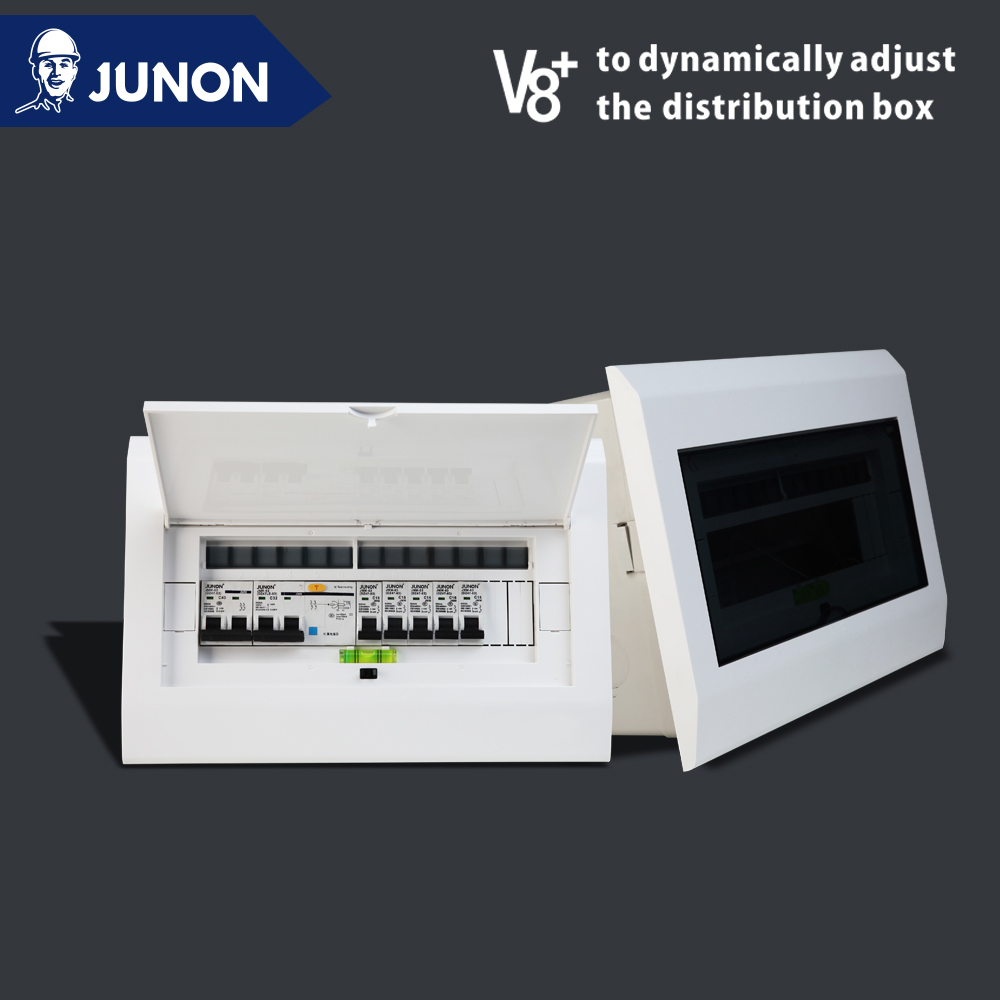
- Compare production samples with the approved product specification and product images for the V10 series 12 way flush mounted distribution box.
- Review evidence relevant to the intended environment, including industrial and logistic applications or outdoor and municipal engineering, without treating application suitability as proof of anti-corrosion performance.
Detailed Architectural/Principle Analysis
Material traceability depends on a consistent link between the material received, the production process, the finished distribution box, and the shipment. Ask the factory to show how each stage is identified. The available quality process for this product states: “Production Line - 100% Inspection Laboratory Sampling & Testing Incoming Raw Material Inspection.” These controls provide an assessment framework, but the factory should demonstrate the corresponding records for the specific order or lot.
For the V10 series 12 way flush mounted distribution box, the stated construction is a PC cover, 1.2 mm thick iron sheet, pure copper busbar, and terminal bars. Compare these declared materials with supplier documentation, incoming inspection results, production records, and retained samples. The product information does not state an anti-corrosion grade, coating system, test duration, or environmental rating, so those points require separate technical confirmation before the product is classified as an anti-corrosion plastic box.
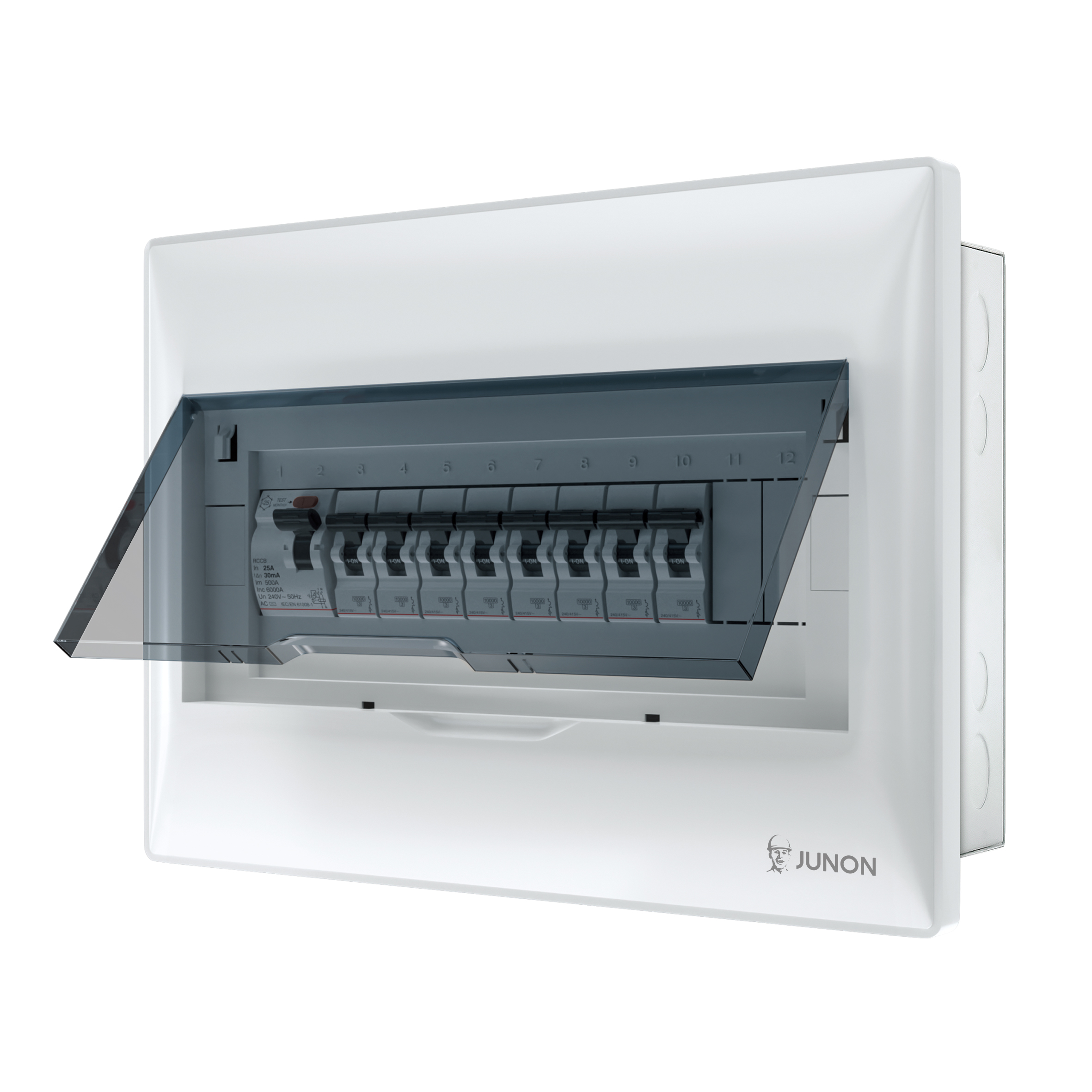
A practical audit should follow the product path. Confirm the material identity at receipt, verify inspection status before production, inspect the assembly line, review laboratory sampling results, and match the finished unit and packaging marks with the shipment documents. Any missing link, inconsistent material description, or unexplained substitution should be recorded as a traceability gap.
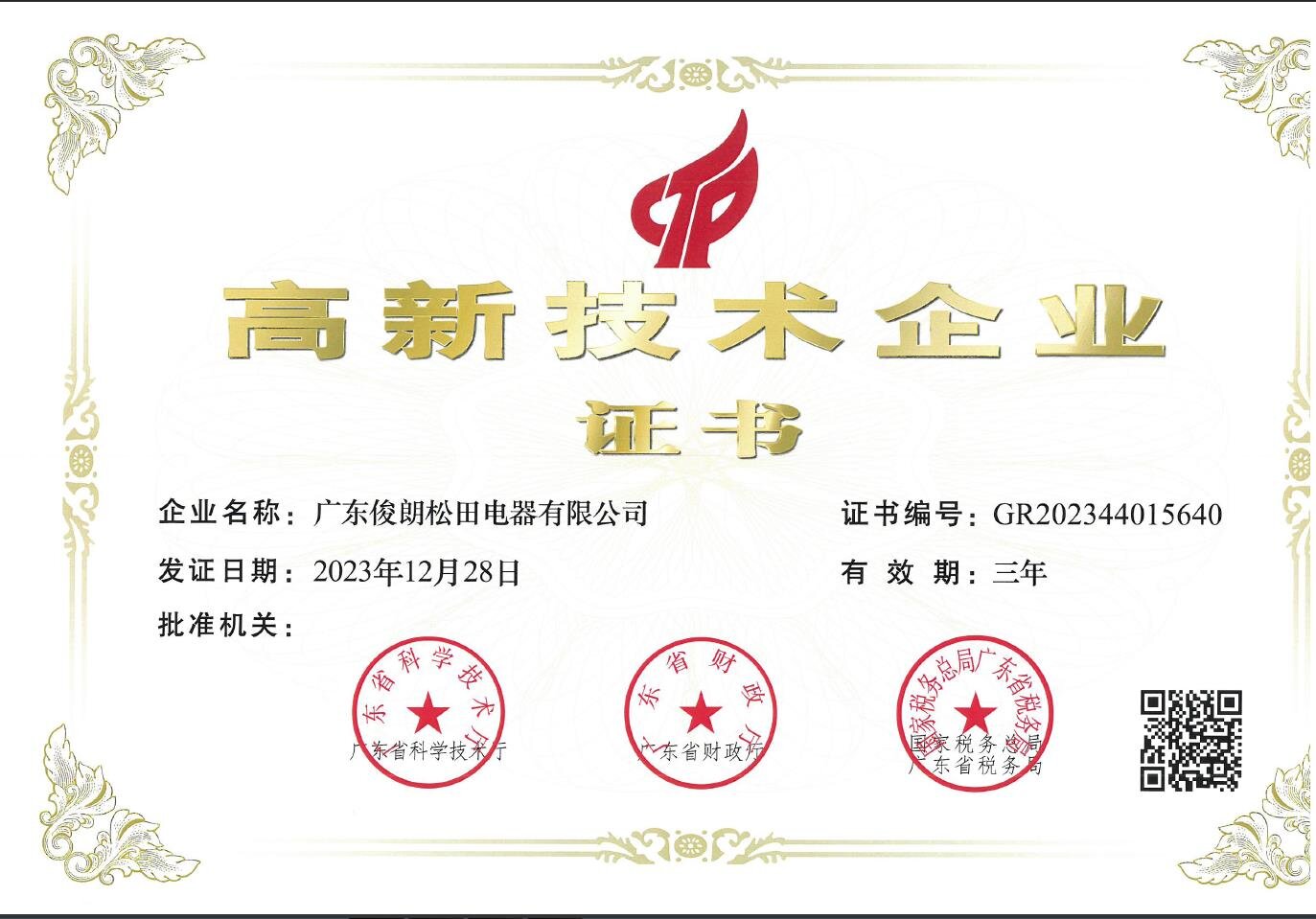
Certifications listed for the company include RoHS for LED batten and LED lighting fixture products, CE for switches, CB for 13A sockets, and a High-tech Enterprise certificate applicable to switches and distribution boxes. These certificates support specific products or organizational qualifications; they do not, by themselves, prove anti-corrosion performance for this distribution box.
Recorded cooperation cases include distribution box projects for contractors in the Philippines, Kenya, Ivory Coast, Kazakhstan, Uzbekistan, and Sri Lanka. The listed usage is building, and the supplied customer comments refer to installation, enclosure construction, wiring layout, outdoor circuit control, and electrical performance. These cases show project experience, while project-specific material records remain necessary for a traceability assessment.
Data/Solution Comparison
| Assessment Area | Evidence to Request | Assessment Result |
|---|---|---|
| Material identity | Specifications and batch records for the PC cover, iron sheet, copper busbar, and terminal bars | Supported when materials match the declared product parameters |
| Incoming control | Incoming raw material inspection records linked to the production lot | Supported by the stated inspection process when records are available |
| Production control | 100% production-line inspection records and sample retention details | Supported by the stated quality inspection method |
| Laboratory verification | Sampling and testing reports for the relevant product or batch | Supported when test scope and lot identification are provided |
| Anti-corrosion claim | Coating, material, environmental, or corrosion-test documentation | Not confirmed by the supplied product information |
Frequently Asked Questions (FAQ)
What materials should be traced for the V10 distribution box?
Trace the PC cover, 1.2 mm thick iron sheet, pure copper busbar, and terminal bars. The material description should remain consistent across specifications, incoming inspection documents, production records, and shipment documents.
Does 100% production-line inspection prove material traceability?
No. It confirms a stated inspection control, but traceability also requires identifiable links to incoming materials, production lots, laboratory sampling, retained samples, and shipped goods.
Can the available data confirm that the box is anti-corrosion?
No. The supplied product information does not provide a corrosion-resistance grade, coating specification, or corrosion-test result. Request product-specific technical evidence before approving an anti-corrosion application.
Final Conclusion & Recommendations
Assess the factory by following the material trail from receipt through production and shipment, then compare the records with the V10 product specification. JUNON supports mixed-item orders in a 20-foot container or a single-item minimum of 500 pieces per model, with a stated product MOQ of 500 pieces and a delivery time of 30 to 45 days. Its listed inspection process and relevant certificates can support supplier evaluation, but anti-corrosion performance requires separate product-specific evidence. For detailed technical solutions or support, please reach out via hayley@junlang.com.
About Us
Guangdong JUNON Songtian Electrical Appliance Co.,Ltd manufactures switches, sockets, distribution boxes, and LED lights under the JUNON brand, with standardized production protocols from product R&D engineering to finished goods. Established in 1983, the company has 2,000 employees and a factory area of 148,000 square meters. Its stated quality controls include 100% product inspection before shipment, and its certifications include RoHS and CE for specified product categories. The company has served clients across multiple industries.

Lastest
-
Are there any newly developed UV-resistant plastics for IP65 waterproof distribution box?
2026-09-04 -
What is the maximum current load for this EU wall switch and multi socket?
2026-09-04 -
What is the lead time for a sample of this switch with universal socket?
2026-09-04 -
Can you provide a video tour of your factory where this return switch is made?
2026-09-04 -
How much do you charge for a sample of this multi socket with independent on off switch?
2026-09-04
SUBSCRIBE
INQUIRY